Important Parts of Your House's Plumbing System
Book Your AppointmentWe've noticed this great article involving Understanding Your Home's Plumbing Anatomy listed below on the internet and believe it made good sense to write about it with you on this site.
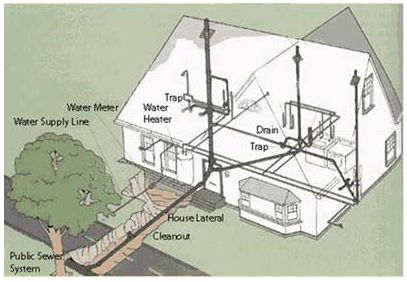
Understanding how your home's plumbing system functions is necessary for each homeowner. From providing clean water for drinking, food preparation, and bathing to safely removing wastewater, a well-maintained plumbing system is crucial for your household's health and convenience. In this detailed guide, we'll check out the elaborate network that makes up your home's pipes and offer ideas on maintenance, upgrades, and taking care of typical issues.
Intro
Your home's pipes system is more than simply a network of pipes; it's a complex system that guarantees you have access to clean water and effective wastewater removal. Understanding its parts and how they collaborate can aid you protect against costly repair work and ensure everything runs efficiently.
Basic Components of a Pipes System
Pipes and Tubing
At the heart of your pipes system are the pipes and tubes that lug water throughout your home. These can be made of numerous materials such as copper, PVC, or PEX, each with its benefits in terms of durability and cost-effectiveness.
Fixtures: Sinks, Toilets, Showers, etc.
Components like sinks, bathrooms, showers, and bath tubs are where water is utilized in your home. Comprehending how these fixtures link to the plumbing system assists in identifying issues and preparing upgrades.
Shutoffs and Shut-off Points
Shutoffs control the circulation of water in your pipes system. Shut-off valves are important throughout emergencies or when you require to make repair work, permitting you to isolate parts of the system without interrupting water circulation to the whole home.
Water System System
Key Water Line
The main water line attaches your home to the metropolitan water or an exclusive well. It's where water enters your home and is distributed to different fixtures.
Water Meter and Pressure Regulator
The water meter actions your water use, while a pressure regulatory authority ensures that water moves at a risk-free pressure throughout your home's plumbing system, preventing damages to pipes and components.
Cold Water vs. Warm water Lines
Comprehending the distinction in between cold water lines, which provide water straight from the primary, and hot water lines, which lug heated water from the water heater, aids in fixing and preparing for upgrades.
Drain System
Drain Piping and Traps
Drain pipes carry wastewater far from sinks, showers, and bathrooms to the drain or sewage-disposal tank. Traps avoid sewer gases from entering your home and additionally trap debris that might trigger blockages.
Ventilation Pipelines
Ventilation pipelines allow air right into the drain system, avoiding suction that can slow down drain and cause traps to vacant. Correct air flow is necessary for preserving the stability of your pipes system.
Significance of Correct Drain
Guaranteeing correct drain protects against backups and water damages. Frequently cleansing drains pipes and preserving catches can avoid pricey repairs and prolong the life of your pipes system.
Water Heating Unit
Kinds Of Hot Water Heater
Water heaters can be tankless or conventional tank-style. Tankless heating systems heat water as needed, while containers store warmed water for instant usage.
Upgrading Your Plumbing System
Factors for Updating
Upgrading to water-efficient components or replacing old pipes can enhance water top quality, reduce water expenses, and boost the worth of your home.
Modern Pipes Technologies and Their Advantages
Explore innovations like clever leak detectors, water-saving bathrooms, and energy-efficient hot water heater that can conserve cash and reduce environmental effect.
Price Considerations and ROI
Determine the in advance expenses versus long-lasting financial savings when taking into consideration plumbing upgrades. Numerous upgrades spend for themselves via lowered energy bills and fewer repair services.
Just How Water Heaters Attach to the Plumbing System
Comprehending how hot water heater link to both the cold water supply and warm water circulation lines helps in diagnosing problems like not enough warm water or leakages.
Upkeep Tips for Water Heaters
Regularly purging your water heater to remove debris, checking the temperature level settings, and checking for leaks can extend its life expectancy and boost energy efficiency.
Typical Pipes Problems
Leakages and Their Reasons
Leaks can happen as a result of aging pipelines, loose fittings, or high water stress. Attending to leaks quickly avoids water damages and mold and mildew development.
Obstructions and Clogs
Clogs in drains and bathrooms are often triggered by flushing non-flushable products or a build-up of oil and hair. Using drainpipe displays and being mindful of what drops your drains pipes can prevent blockages.
Indicators of Pipes Issues to Watch For
Low water pressure, slow-moving drains, foul odors, or abnormally high water bills are signs of potential pipes issues that ought to be dealt with quickly.
Plumbing Upkeep Tips
Routine Evaluations and Checks
Schedule yearly pipes assessments to catch concerns early. Search for signs of leakages, corrosion, or mineral build-up in faucets and showerheads.
DIY Upkeep Tasks
Easy jobs like cleaning tap aerators, checking for commode leakages making use of color tablet computers, or insulating subjected pipelines in cool climates can avoid significant pipes problems.
When to Call an Expert Plumbing Technician
Know when a plumbing problem needs expert experience. Trying complicated repair services without correct knowledge can bring about more damages and greater repair service costs.
Tips for Reducing Water Usage
Simple routines like repairing leaks immediately, taking shorter showers, and running full lots of laundry and meals can conserve water and lower your energy bills.
Eco-Friendly Pipes Options
Consider lasting plumbing products like bamboo for flooring, which is durable and environment-friendly, or recycled glass for counter tops.
Emergency situation Preparedness
Actions to Take Throughout a Pipes Emergency situation
Know where your shut-off valves lie and how to switch off the supply of water in case of a ruptured pipeline or significant leak.
Significance of Having Emergency Situation Calls Handy
Keep call information for regional plumbers or emergency situation solutions readily available for quick action during a plumbing crisis.
Environmental Effect and Preservation
Water-Saving Components and Appliances
Installing low-flow taps, showerheads, and commodes can significantly decrease water usage without compromising efficiency.
Do It Yourself Emergency Situation Fixes (When Appropriate).
Momentary solutions like making use of duct tape to patch a leaking pipe or putting a bucket under a dripping faucet can minimize damage until an expert plumbing technician shows up.
Conclusion.
Understanding the anatomy of your home's plumbing system empowers you to maintain it properly, conserving money and time on repair work. By adhering to regular maintenance routines and staying informed about modern pipes modern technologies, you can ensure your plumbing system runs effectively for many years to find.
How Should a Plumbing System Be Designed?
What's A Decent Plumbing Design?
A home's mechanical, electrical, and plumbing systems must be carefully considered throughout any construction or renovation projects, whether undertaken from the ground up or reworking existing rooms.
All three go hand in hand, and trained engineers or architects may design effective plumbing system plans. Plumbing problems might arise if the architects and builders who worked on your property neglected to include essential components of good plumbing design.
What Makes Plumbing Plans For Houses So Crucial?
Domestic buildings often have an intricate system of plumbing pipes running throughout the structure. It would help if you thus had a well-thought-out strategy before beginning construction on your new home.
According to teamemergencyplumber.com, a well-drawn plumbing plan for a home will show how the water and sewage systems work together. The MEP installations, of which plumbing systems are a component, contribute to the "creature comforts" of the building and are highly interactive with one another.
Successful Home Plumbing Design
The primary neurological system of every building is its plumbing system. Hence engineers and architects must work together to design it.
Main Building Codes
The plumbing system layout for a home must adhere to all applicable local construction requirements. The number of fixtures permitted on a given drain system, vent stack, the location of supply drains, and lines are all specified by the relevant building regulations.
It is important to have a well-designed plumbing system that complies with all applicable regulations. It is built with meticulous attention to detail so that it may pass muster during building inspections and adhere to all applicable rules and regulations.
Draft Of Supply
These blueprints calculate the approximate lengths and placements of hot and cold water supply lines. The package includes a variety of blueprints, as well as details on water, drain, and vent lines, as well as installation guidelines, legends, and explanatory comments.
Still, the plans don't always account for the fact that the pipes' precise placement may depend on the specifics of each building. Fixture placement, dimensions, the minimum height from the floor, distance from the wall, symbols, and other information are typically included in rough-in plumbing.
Gas Piping
Natural gas and propane appliances may be installed in nearly all homes. Fuel for the stove, oven, furnace, etc., is piped through iron, polyethylene, and steel pipes. Lines are combined using threaded fittings that screw together and are sealed at the joint the seal functions as a protective barrier to keep harmful substances out.
Heightening of the DWV
The system that transports the wastewater and air out of the home is called a Drain-Waste-Vent elevation, or DWV for short. This section addresses the direction that exhaust vents, drain pipes, and traps in plumbing fixtures all point upward. Primarily, it demonstrates how various fixtures' airflow will work. A reference drawing doesn't have to be made directly on top of architectural plans.
Pipes of the Appropriate Dimensions
Pipes must be properly sized to prevent future obstructions and costly repairs. Undersized pipes will prevent the system from working properly and will not fulfill plumbing standards.
Inadequate water pressure from the pipes or inconsistent water temperatures between fixture models is possible issues. Similarly crucial is selecting an appropriate pipe type. PVC pipes are widely used, but they break easily and must be replaced more often than stronger materials like copper or PEX after they're installed in a home.
The efficiency of the plumbing system and the reduction in future maintenance efforts are directly related to the material and size of the pipes.
Access to Water
Engineers and architects must provide workable solutions that propose a contaminant-free, continuous water supply at all times by preventing the connection of freshwater.
In addition, the concept allows for the water supply and DWV systems to be located close to one another, resulting in a hot water loop that helps save water and energy expenditures. Likewise, appropriate water flow is maintained by ensuring water can get from the reservoir to your home.
Electric water pumps in water supply systems enhance efficiency by facilitating seamless water circulation. Strategically placed pumps optimize water flow, reaching every part of the distribution network. To choose an electric water pump, assess your specific requirements, such as flow rate and pressure needs for residential or industrial use. Confirm that the pump's power specifications align with your electrical supply.
Select the appropriate type of pump, considering options like centrifugal or submersible based on your application. Factor in size, portability, and material construction, ensuring corrosion resistance for challenging environments. Evaluate maintenance accessibility and prioritize energy efficiency, considering variable speed options or pumps meeting efficiency standards. Check out Generator Pro to learn how electric pumps work.
Outdoors
The plumbing layout also shows where to attach the outside sinks. Depending on the layout of your home, you may have several outdoor water sources that all work together. However, your engineer or architect can help you determine what fittings will be required.
The plan can also include a water sprinkler system, an in-ground swimming pool, a hot tub, an outdoor kitchen, and a septic tank if necessary. If you ever decide to put your house up for sale, this sort of outside connection is sure to be a big plus.
https://amazingarchitecture.com/articles/how-should-a-plumbing-system-be-designed

Hopefully you enjoyed our piece about Plumbing Installation 101: All You Need to Know. Thank you for spending some time to read through our piece. In case you appreciated our post plz don't forget to share it. Many thanks for being here. Please come by our blog back soon.
Get Offer